NFPA-96 Compliance & Fire Safety Guide
Understanding California fire code requirements for commercial kitchen exhaust systems. Learn how NFPA-96 compliance protects your restaurant from fines, shutdowns, insurance claim denials, and devastating grease fires.
What is NFPA-96?
NFPA-96 is the Standard for Ventilation Control and Fire Protection of Commercial Cooking Operations, published by the National Fire Protection Association. California fire codes adopt NFPA-96 by reference, making compliance legally mandatory for every restaurant, hotel kitchen, food truck, and commercial cooking operation in the state.
The standard covers the complete kitchen exhaust system lifecycle:
- Design, installation, and operation of commercial kitchen exhaust systems
- Required cleaning frequencies based on cooking type and volume (Chapter 11)
- Maximum allowable grease accumulation levels on all exhaust surfaces
- Fire suppression system installation, inspection, and maintenance
- Documentation, certification, and record-keeping requirements
- Access panel requirements for duct inspection and cleaning
California Health & Safety Code Section 13143 requires all commercial cooking exhaust systems to comply with NFPA-96. Violations are enforceable by local fire authorities.
Common NFPA-96 Violations That Result in Fines
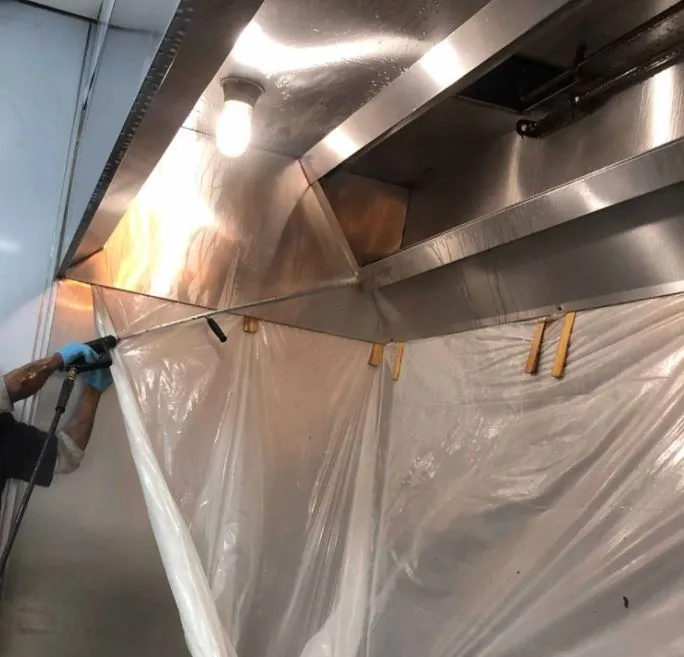
California fire marshals conduct regular inspections of commercial kitchens. These are the most frequent violations that result in citations, fines up to $10,000+, operational shutdowns, or denied insurance claims.
Grease accumulation exceeding NFPA-96 allowable limits on hood surfaces, filters, and ductwork
Missing, incomplete, or outdated cleaning records and compliance certificates
Improper cleaning frequency that does not match cooking volume and fuel type
Damaged, non-functioning, or improperly maintained exhaust system components
Failure to repair identified deficiencies within required timeframes
Missing or sealed access panels that prevent interior duct inspection
The True Cost of Non-Compliance
Beyond fines of $500 to $10,000+ per violation, a failed inspection can force immediate closure until corrections are made—costing thousands in lost daily revenue. Worse, a grease fire in a non-compliant kitchen may void your insurance entirely.
How D&E Hood Cleaning Keeps You Compliant
Our systematic approach ensures your commercial kitchen passes every fire marshal inspection and stays continuously compliant with NFPA-96 requirements.
Comprehensive Documentation
Every D&E service includes timestamped before-and-after photographs, detailed cleaning scope reports, and official NFPA-96 compliance certificates that satisfy fire marshal requirements.
NFPA-96 Frequency Compliance
We schedule cleanings according to NFPA-96 Chapter 11 requirements: monthly for solid fuel, quarterly for high-volume, semi-annually for moderate, and annually for low-volume operations.
PWNA-Certified Cleaning Methods
Our technicians hold PWNA (Power Washers of North America) certifications and follow industry-approved cleaning procedures that meet all California fire code requirements.
Fire Marshal Coordination
We communicate directly with local fire marshals on your behalf, providing documentation, answering compliance questions, and coordinating inspection schedules when needed.
Why Documentation Matters
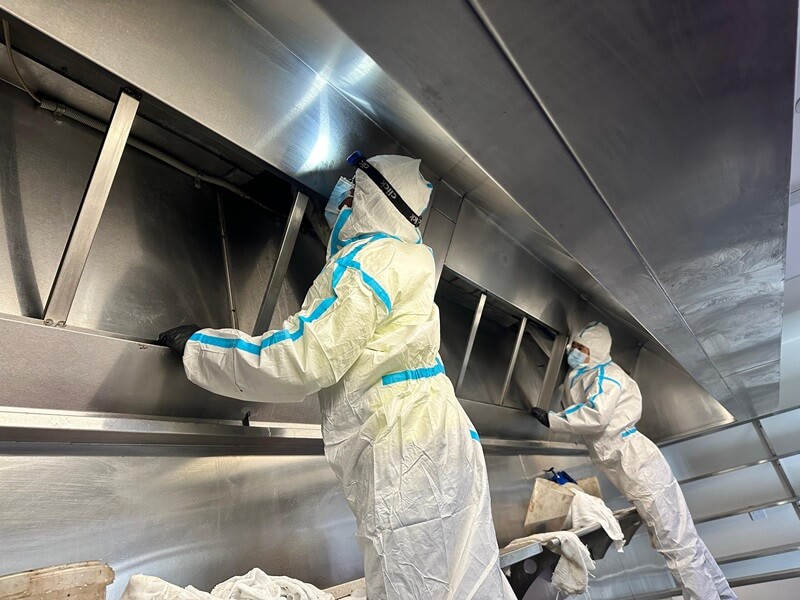
Proper cleaning documentation is not just paperwork—it is your legal proof of compliance and your protection against liability in the event of a fire, insurance claim, or inspection.
Every D&E Hood Cleaning service includes comprehensive photo documentation, detailed cleaning reports, and official NFPA-96 compliance certificates—delivered digitally the same day.
Questions About NFPA-96 Compliance?
D&E Hood Cleaning LLC can assess your current compliance status and develop a customized plan to keep your kitchen inspection-ready year-round. Call us or request a free quote today.